



News and Curiosity
Setting up a home gym: reasons and benefits
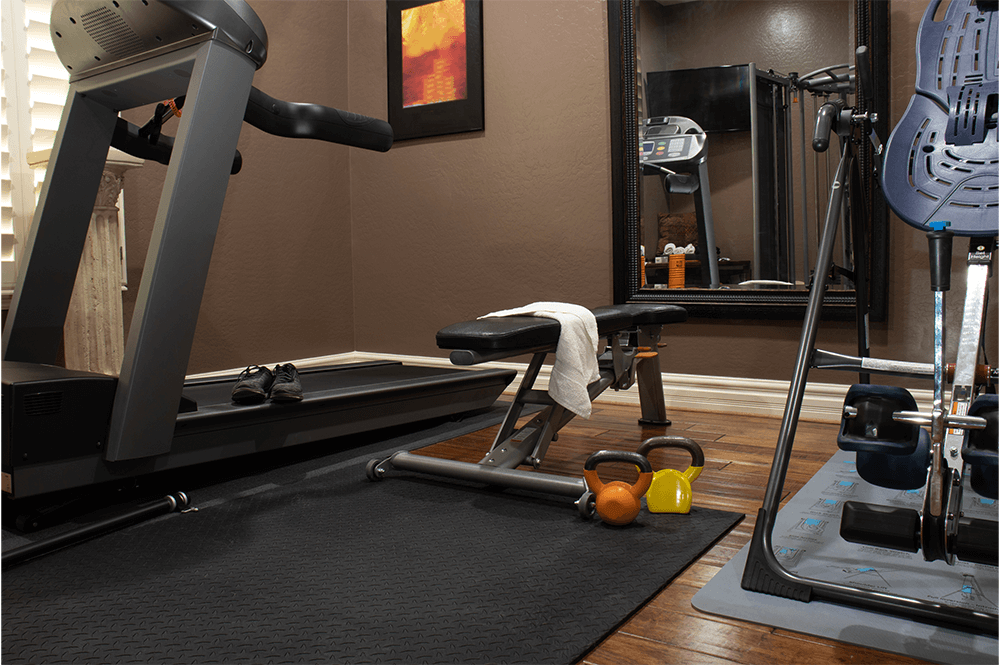
There are various reasons why someone might prefer setting up a home gym: more privacy, personalized workouts, time optimization, comfort and flexibility. By incorporating bodyweight exercises and compact, space-efficient equipment, working out with a small home gym has become an increasingly popular and practical choice, especially for those with a dynamic lifestyle who value flexibility, privacy and customization.
Spaces and design: how to furnish a home gym
The first step in creating a home gym is choosing the right space and organizing it functionally. Even in small areas, excellent results can be achieved with some planning. The best spaces in your home for working out include:- Guest room or unused space: these are perfect for setting up a home gym, allowing you to furnish and personalize the room according to your fitness goals and needs.
- Garage or basement: these are also ideal spaces for a home gym. Not only can you furnish them with larger equipment, but they also provide privacy and create an exclusive space for your workouts. Just ensure that these areas are well-ventilated and well-lit.
- Living room, study, or bedroom: if space is limited, even a corner of a larger room can work, focusing on bodyweight exercises and foldable or easy-to-store equipment (small dumbbells, resistance bands, mats, rollers).
- Lighting: whenever possible, opt for natural light to create an energizing atmosphere. Otherwise, use LED lighting that can be adjusted to suit your workout (bright for cardio, softer for stretching or yoga).
- Ventilation: proper airflow is crucial. If the chosen space doesn’t have a window, consider installing a fan or an air purifier with a non-direct airflow.
- Flooring: opt for slip-resistant and durable flooring, with rubber mats to minimize the impact of equipment and protect the original floor. This also helps optimize exercises and safeguard joints and ligaments.
Essential equipment for a home gym
What do you need to set up a home gym? A simple self-training kit will suffice: a foldable mat for muscle toning and rehabilitation exercises, a roller to improve muscle elasticity, an elastic band and straps for ankles and wrists. Ankle straps are great for intensifying glute and leg exercises. For glutes and quadriceps, a kettlebell might also be necessary for muscle strengthening. Handlebar is essential for various exercises and muscle training: with different weight options, you can choose those that suit your needs to improve mobility and toning. Workout equipment helps stimulate muscles consistently, so it’s important to select the ones that best match your goals. For functional home training, equipment is important, but you can also perform Calisthenics exercises with minimal gear, such as a jump rope for warm-ups and resistance bands, particularly for back and arm workouts. With bodyweight training, you can effectively work all muscle groups, even in a smaller space like a single room in your house.Useful tips for a home gym
A home gym should not only be functional but also a space that inspires and promotes well-being. Personalize the area according to your tastes and needs to make your workouts more enjoyable and productive.- Mirrors for Home Training Placing mirrors in your home gym is essential: they help you monitor posture and technique during exercises, reducing the risk of mistakes or injuries. Strategically placed mirrors also make a small home gym feel more spacious and welcoming.
- Furnishing Your Home Gym Keep the space tidy to foster motivation and focus. Use cabinets, drawers, or shelves to store smaller equipment like resistance bands or ankle weights.
- Appropriate Flooring for a Home Gym Choosing the right flooring is crucial, not just for proper movement but also to protect the original floor. Rubber tiles or anti-slip mats are recommended.