




News and Curiosity
Toenail Fungus (Mycosis): How to Treat It and Effective Remedies
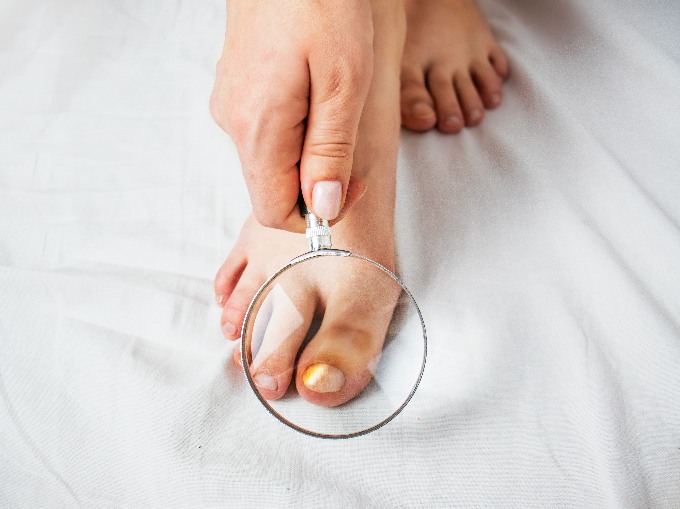
Toenail fungus (onychomycosis) is a very common condition that affects thousands of people every year, especially athletes, gym-goers, and those who wear closed shoes for many hours a day.
To truly cure it, you need a proper medical diagnosis, consistent treatment, and patience; however, by following the right approach, it is possible to eliminate the infection and regain healthy nails.
What is nail fungus?
When performing foot massage (note: this is very different from sports massage because it offers different benefits to the athlete’s body), we often notice various foot issues, such as nail fungus. What is it exactly? It is an infection, commonly known as “nail fungus”, that, if not treated properly, can lead to several health problems, especially during sports activities.How to recognize nail fungus: symptoms and why it appears
At first, it shows up as a small white or yellowish spot. If not treated promptly, the spot can grow and spread to the rest of the nail, which may crack or detach, causing significant pain. In severe cases, the nail may fall off completely. Toenails are typically more affected than fingernails. Why? Because the warm, humid environment inside shoes promotes fungal growth. Foot fungus mainly affects adults, and athletes are among the most exposed due to conditions related to the athlete's foot.What causes nail fungus? The main reasons
One of the most common causes of nail fungus is dermatophytes—fungi that normally live on the skin and nails without causing issues. However, during periods of physical stress, the immune system may weaken, allowing these fungi to multiply uncontrollably and cause infection. Warm, moist environments encourage fungal proliferation. Feet tend to sweat constantly, especially in sports such as running or endurance training. Intense workout sessions or poor nutritional intake (proteins, minerals, and carbs) may further weaken the immune system. Reduced blood circulation to the toes also lowers the body’s defenses in that area. Public places like pools, gyms, and locker-room showers are ideal environments for fungal growth. Walking barefoot in these areas greatly increases the risk of infection. Most common causes include:-
- dermatophytes (the fungus responsible for athlete’s foot, very common among athletes)
- prolonged use of tight or non-breathable shoes
- pools, gyms, locker rooms
- excessive sweating
- small nail traumas
- weakened immune system
How to treat toenail fungus? The most effective therapies
Nail fungus does not usually lead to serious health consequences unless left untreated or combined with other conditions, such as diabetes. In those cases, the fungus may spread faster, and full immune recovery may be more difficult.
As mentioned, fungal infections are highly contagious. One of the simplest ways to prevent them is good hand and foot hygiene. Nails should never be torn off but carefully trimmed to avoid injury.
Diagnosis must be made by a dermatologist or podiatrist, who may request a microscopic exam or fungal culture to identify the specific fungus and select the proper treatment.
Depending on severity, the doctor may prescribe medicated antifungal nail lacquers, creams or topical solutions, or oral therapies.
Antifungal nail lacquers usually contain amorolfine or ciclopirox. They are effective in mild to moderate cases and must be applied 1–2 times per week for about 6–12 months. Creams or solutions are recommended when both the nail and surrounding skin are affected. Oral antifungal medications are indicated for more advanced cases: they are very effective but must be taken under medical supervision.
These medications act directly on the fungus and help the nail grow back healthy and infection-free.
For example, Sixtus Italia Nail Oil can be a helpful ally during treatment: it is a natural oil with protective, restorative, and nourishing properties that supports healthy, strong nails. It is not a medication and does not cure mycosis, but it serves as a cosmetic aid useful for:
-
keeping nails and cuticles hydrated
-
protecting nearby healthy nails from contamination
-
promoting stronger, healthier growth of the new nail while the damaged part is eliminated through medical therapy
-
improving nail appearance during the healing process
The correct medication depends on the type of fungus involved. Only a dermatological examination can remove any doubt by analyzing a sample taken from the affected nail. Healing takes time, often months, for toenail fungus to fully resolve.
Besides medical treatments, several natural remedies are often mentioned (baking soda, vinegar, garlic, aloe, lemon), but their effectiveness is minimal compared to antifungals. They may help with hygiene or prevention but do not cure an active fungal infection.
Preventing toenail fungus
How can you prevent toenail fungus? By adopting simple habits that reduce the risk of infection and spread:
- Keep feet clean and nails trimmed and neat
- Avoid wearing tight socks or shoes
- Change socks frequently, especially in warm weather
- Avoid picking or tearing skin around the nail
- Do not walk barefoot in pools, gyms, or locker rooms
- Avoid sharing shoes, socks, or towels in communal changing areas