



News and Curiosity
Muscle electrical stimulation: how it works, benefits and contraindications
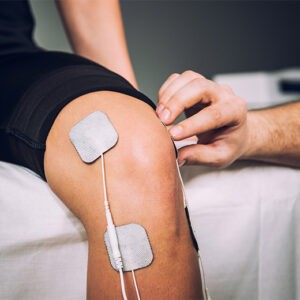
Muscle electrical stimulation is a technique used in physiotherapy, rehabilitation medicine, and athletic training to stimulate muscle contractions through controlled electrical impulses. In recent years, its use has become increasingly widespread, particularly in functional recovery programs following injuries or surgical procedures. In addition, this type of stimulation is commonly used to help prevent muscle atrophy and support neuromuscular strengthening.
But how does muscle electrical stimulation work, and what are its benefits? Are there any contraindications to consider before undergoing this type of treatment?
How does muscle electrical stimulation work?
Muscle electrical stimulation is based on the delivery of electrical impulses to the targeted muscle through electrodes placed on the skin. Under normal circumstances, muscle contraction occurs when the brain sends an electrical signal to the muscle fibers through the nervous system. With electrical stimulation, however, the signal is generated externally and reaches the motor nerves, triggering muscle contraction. Electrical impulses activate muscle fibers differently from voluntary contractions, making it possible to recruit fibers that may be less active during regular exercise. For this reason, muscle electrical stimulation is often used as a complement to rehabilitation exercises rather than a replacement for them. The effectiveness of the treatment depends on several parameters, including:- impulse frequency;
- current intensity;
- pulse duration;
- contraction and recovery times;
- electrode placement.
Benefits of muscle electrical stimulation
Available scientific evidence suggests that muscle electrical stimulation can provide several benefits when incorporated into a structured therapeutic or rehabilitation program.- Muscle strengthening and recovery: one of the primary benefits of muscle electrical stimulation is its ability to improve muscle strength: it is frequently used to support functional recovery programs.
- Post-surgical recovery and rehabilitation: muscle electrical stimulation is widely used in rehabilitation following orthopedic surgery, traumatic injuries, or prolonged periods of immobilization. After surgery, reduced physical activity can result in a loss of muscle strength and mass. In these situations, electrical stimulation may help maintain muscle activity during the early stages of recovery and support a gradual return to movement.
- Prevention of muscle atrophy: one of the most established applications of electrical stimulation is the prevention of muscle atrophy associated with immobilization, hospitalization, or reduced physical activity. By promoting muscle contractions even when voluntary movement is limited, electrical stimulation can help preserve muscle function and minimize the negative effects of inactivity.
- Support in neurological rehabilitation: electrical stimulation is also used in certain neurological rehabilitation programs. When combined with other rehabilitation therapies, neuromuscular electrical stimulation may support the recovery of lower-limb motor function in patients who have experienced a stroke. Although further research is needed to refine treatment protocols, current evidence highlights the potential role of electrical stimulation in neuromotor recovery.
What is muscle electrical stimulation used for?
Muscle electrical stimulation can be used in a variety of situations related to reduced muscle activity, including strength recovery, prevention of muscle loss, and rehabilitation support after surgery or injury. When integrated into physiotherapy and functional recovery programs, electrical stimulation may contribute to improved motor recovery and overall muscle function. It is important to note that electrical stimulation does not replace active movement or therapeutic exercise. Instead, it should be considered a complementary tool within a personalized rehabilitation plan. Electrical stimulation may also be used in pain management therapies, although this application involves different treatment objectives and protocols than those used for muscle strengthening and rehabilitation.Common muscle electrical stimulation protocols
Electrical stimulation protocols vary depending on the therapeutic goal, the patient's clinical condition, and the muscle group being treated. The selection of stimulation parameters should always be performed by qualified healthcare professionals based on individual patient needs.- Muscle strengthening protocols: these protocols are designed to generate contractions that are intense enough to stimulate muscular adaptation and improve strength recovery.
- Muscle atrophy prevention protocols: these are commonly used in individuals with reduced mobility or temporary immobilization to maintain muscle activity and limit functional decline.
- Functional recovery protocols: often integrated into physiotherapy programs, these protocols aim to improve motor control and facilitate a return to normal daily activities.
Contraindications of muscle electrical stimulation
Although muscle electrical stimulation is generally considered a safe therapeutic procedure, certain contraindications must be carefully evaluated by both patients and healthcare professionals. The main contraindications include the presence of pacemakers or other implanted electronic devices. Electrical stimulation is also generally not recommended during pregnancy unless specifically approved by a physician. Additional contraindications may include:- epilepsy;
- deep vein thrombosis or suspected thrombosis;
- severe cardiac arrhythmias;
- skin infections or lesions in the treatment area.
- Cleveland Clinic – Functional Electrical Stimulation (FES)
- PubMed – Superimposing neuromuscular electrical stimulation onto voluntary contractions to improve muscle strength and mass: A systematic review
- PubMed Central (NIH) – The effects of neuromuscular electrical stimulation on hospitalised adults: systematic review and meta-analysis of randomised controlled trials
- Scientific reports - Mirror therapy combined with neuromuscular electrical stimulation for poststroke lower extremity motor function recovery: a systematic review and meta-analysis