

News and Curiosity

Ingrown toenails: the athlete’s enemy
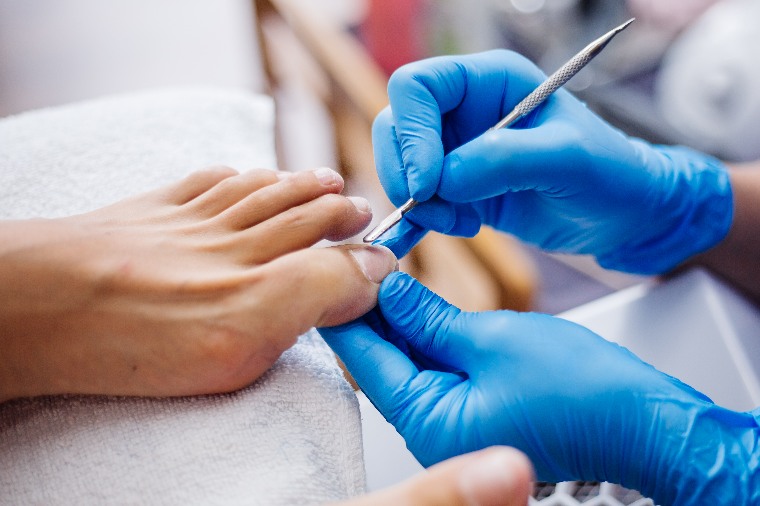
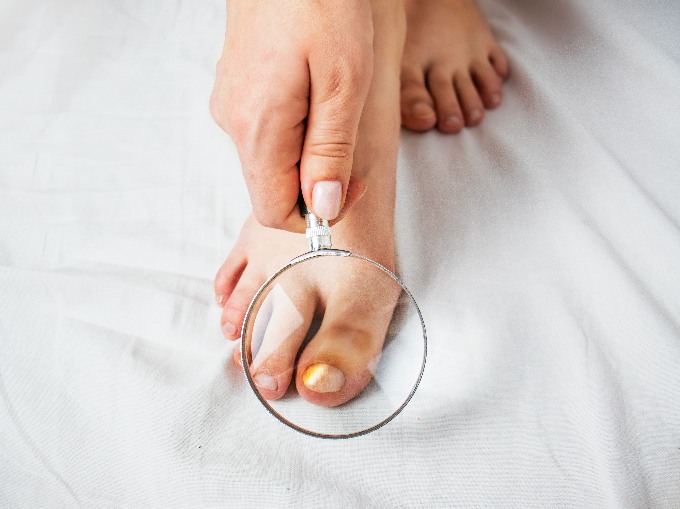
ingrown toenail

Ingrown toenails: how can you recognize them?

One of the most bothersome problems for athletes is the ingrown toenail. Although it may seem like a minor issue, if ignored or underestimated, it can become a serious obstacle to performance and physical well-being. An ingrown toenail (onychocryptosis) occurs when the nail, usually the big toe, grows into the surrounding skin. This abnormal contact can cause inflammation, swelling and pain. Under these conditions, running, walking, or even putting on training shoes can become difficult and uncomfortable.

Typical symptoms of an ingrown toenail

An ingrown toenail usually causes inflammation, swelling, and pain, and in more severe cases, an infection with pus. However, it’s possible to spot the early signs right away, as you may notice:
  • pain when walking or wearing tight shoes;
  • redness and warmth in the affected area;
  • swelling and sometimes discharge;
  • thickened skin around the nail.
  Among athletes, this problem is quite common due to the constant pressure of the foot inside the shoe, moisture, or repeated microtraumas.

Why is foot and nail care essential for athletes?

Feet are the body’s main point of contact with the ground and support every movement. For anyone who practices sports, whether competitive or recreational, having healthy, well-cared-for feet means building on a foundation of stability, strength, and balance. Foot care should never be overlooked; that’s why there is a nail kit. Nails, in particular, play a protective role: they help distribute pressure and maintain the integrity of the toe. When nails become too long, too short, or ingrown, even a simple action like pushing off during a run or changing direction can become painful. Taking proper care of your feet allows you to address small issues, such as ingrown nails or calluses, before they worsen. Neglecting them can affect posture and foot biomechanics, leading to muscle compensations or pain in other areas of the body, such as the knees or back.

Remedies for ingrown toenails

Treatment depends on the severity of the condition. In mild cases, home care may be enough, but if pain increases or signs of infection appear, it’s important to consult a podiatrist or doctor.

Home remedies for ingrown toenails

In the early stages, a simple warm foot bath with salt water or a mild disinfectant can help reduce swelling and soften the skin. After soaking, if there is no infection and without forcing the nail, you can gently lift the nail’s edge and insert a small piece of sterile gauze to guide its growth in the right direction. Applying an antibiotic ointment recommended by a pharmacist or doctor can also promote healing if the area is red or irritated. It’s essential to avoid tight or pointed shoes that increase pressure on the toe, and never cut the nail too short or dig into the sides—these habits often make the problem worse. In mild cases, an ingrown toenail can heal on its own with patience and proper care. If the pain doesn’t improve within a few days, if swelling persists, or if pus appears, don’t delay—an untreated infection may require more complex treatment, so it’s best to see a doctor.

How to cut toenails properly to prevent ingrown nails

The way toenails are trimmed is key to preventing ingrown nails. The ideal method is to cut the nail straight across, avoiding overly rounded corners. The nail should not be cut too short, it should extend slightly beyond the tip of the toe. Use clean, sharp nail scissors or clippers, and gently file the edges to remove any sharp corners.

Tips for training safely

For athletes, prevention is the best defense. Choose shoes that fit well, are comfortable, and breathable to minimize friction and pressure. Pay attention to hygiene: feet should always be clean and dry to reduce the risk of infection. A good habit is to check your toes after every workout, so you can act quickly at the first signs of redness or irritation.   Fonti NHS https://www.nhs.uk/conditions/ingrown-toenail/ Podomedica https://www.podomedica.it/visita-podologo/cura-del-piede/unghia-incarnita2/approfondimenti/ Humanitas https://www.gavazzeni.it/cure/unghia-incarnita-trattamento-fenolizzazione Policlinico Bologna https://www.aosp.bo.it/it/content/unghia-incarnita 

You might also be interested in

News and Curiosity

Massage therapy: what it is and how it differs from physiotherapy

What is massage therapy? Massage therapy, also known as massotherapy or deep-tissue massage, is a therapeutic discipline that uses the manipulation of the body’s soft tissues for preventive, curative, and relaxing purposes through manual techniques. Its main goal is to promote physical and mental well-being, reduce muscle tension, and improve blood circulation. The key difference between […] read more
News and Curiosity

Worsening after shock wave therapy: what is it due to?

Extracorporeal shock wave therapy (ESWT) is a technique developed in the 1970s for the treatment of urinary stones in urology (lithotripsy). In the 1990s, shock wave therapy was introduced in Germany into orthopedics and physiotherapy and, thanks to technological advances, an increasing number of musculoskeletal disorders can now benefit from this treatment. read more
toenail mycosis
News and Curiosity

Toenail Fungus (Mycosis): How to Treat It and Effective Remedies

Toenail fungus (onychomycosis) is a very common condition that affects thousands of people every year, especially athletes, gym-goers, and those who wear closed shoes for many hours a day. To truly cure it, you need a proper medical diagnosis, consistent treatment, and patience; however, by following the right approach, it is possible to eliminate the […] read more