

News and Curiosity

How to improve microcirculation

What is microcirculation?

Microcirculation refers to the network of small blood vessels that connect the arterial and venous systems. It mainly consists of arterioles, venules, and capillaries, whose task is to deliver oxygen and nutrients to all cells while at the same time eliminating waste products. When we ask ourselves what microcirculation is, we can imagine it as a capillary network that works without ever stopping. Even though it’s invisible, microcirculation is essential for the life of every tissue, from the skin and muscles to internal organs.

What is the purpose of microcirculation?

The primary role of microcirculation is to deliver oxygen and nutrients to cells via the blood. At the same time, it helps remove carbon dioxide and toxins. Although it serves the entire body, proper microcirculation in the legs is particularly important, as this area is more prone to venous stasis. Having active microcirculation means lighter legs, firmer skin, and improved muscle recovery — crucial for athletes and, more generally, for anyone who exercises.

Microcirculation and systemic circulation: what’s the difference?

Microcirculation is often confused with general circulation, but the two are different, although closely connected:
  • Systemic circulation: the general circulation involves the heart, arteries, and main veins. These transport large amounts of blood throughout the body;
  • Microcirculation: still concerns blood movement in the body, but through small vessels that carry nutrients.
  It’s as if systemic circulation were the highway of blood, while microcirculation was the local road network reaching every house, in this case, every cell.

Symptoms of poor microcirculation

A disruption in microcirculation, especially in the veins of the legs, can lead to discomfort and skin blemishes. Poor microcirculation typically presents with clear signs, including: 
  • Heavy, tired legs;
  • Swelling, especially around the ankles;
  • Tingling and numbness in the lower limbs;
  • Visible capillaries and, in more severe cases, varicose veins;
  • Cold, dry skin.

How to improve microcirculation with simple habits

Symptoms of altered microcirculation should not be ignored, as they may worsen over time and affect quality of life. However, at the first signs of imbalance, adopting healthy lifestyle habits can help. Here are some tips:
  • Exercise regularly: daily walking, swimming, or cycling helps microcirculation and strengthens muscles;
  • Drink plenty of water: hydration is essential to keep blood fluid and support capillary exchanges;
  • Follow a balanced diet: fruit, vegetables, legumes, and foods rich in flavonoids are excellent for keeping blood vessels healthy;
  • Limit alcohol and smoking: both damage capillary walls, worsening circulation.

Tips to naturally reactivate microcirculation

In addition to daily habits, you can take further steps to stimulate microcirculation:
  • Alternate hot and cold water jets on the legs: a simple and very effective way to stimulate capillaries;
  • Avoid staying in the same position for too long: standing up, walking, and stretching are excellent solutions;
  • Elevate your legs for a few minutes: especially after a long day, keeping your legs raised promotes venous return;
  • Try lymphatic drainage massages or self-massages on the feet and legs: great for improving local blood flow, starting from the feet.
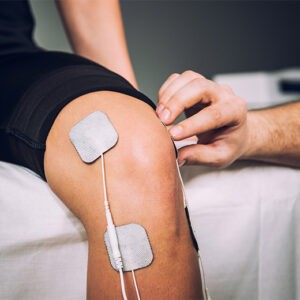
Treatments to improve microcirculation

Sometimes healthy habits and small measures are not enough. Specific therapies and treatments can help stimulate microcirculation in the legs and beyond. Some of these use natural principles, such as cold or magnetic fields, and are often offered in specialized and physiotherapy centers.

Cryotherapy and microcirculation

Cryotherapy is a technique that uses cold for therapeutic purposes. It can be applied locally with ice packs or cold water jets, or in a more advanced form using cryogenic chambers. It can be an excellent solution for improving microcirculation, as cold causes immediate vasoconstriction followed by compensatory vasodilation. This mechanism stimulates microcirculation, enhances tissue oxygenation, and reduces inflammation. Cryotherapy is increasingly used to improve leg microcirculation, helping reduce swelling, cellulite, and the feeling of heaviness. A regular cycle of treatments can therefore be a valuable ally for those seeking to improve microcirculation non-invasively.

Magnetotherapy and microcirculation

Another interesting treatment is magnetotherapy, a technique that uses low-frequency magnetic fields to stimulate cells and improve blood flow. Magnetotherapy promotes vasodilation, increases oxygen supply to tissues, reduces inflammation and enhances the functionality of microcirculation in the veins and legs. It helps reduce pain, swelling, and muscle stiffness. This is a non-invasive and painless therapy, often used in physiotherapy to support tissue regeneration and vascular health.

Final thoughts

Il microcircolo è una componente fondamentale del nostro sistema circolatorio e svolge un ruolo chiave per il benessere generale. Riconoscere i sintomi di un cattivo microcircolo e intervenire tempestivamente con uno stile di vita sano, trattamenti naturali e tecniche mirate è essenziale per prevenire complicazioni e mantenere le gambe leggere e in salute.   Microcirculation is a fundamental component of our circulatory system and plays a key role in overall well-being. Recognizing the symptoms of poor microcirculation and promptly intervening with a healthy lifestyle, natural remedies, and targeted techniques is essential to prevent complications and keep legs light and healthy.   Fonti https://www.clinicacellini.it/news/circolazione-sanguigna-come-migliorarla/ 

You might also be interested in

electric stimulation of muscles
News and Curiosity

Muscle electrical stimulation: how it works, benefits and contraindications

Muscle electrical stimulation is a technique used in physiotherapy, rehabilitation medicine, and athletic training to stimulate muscle contractions through controlled electrical impulses. In recent years, its use has become increasingly widespread, particularly in functional recovery programs following injuries or surgical procedures. In addition, this type of stimulation is commonly used to help prevent muscle atrophy […] read more
News and Curiosity

Massage therapy: what it is and how it differs from physiotherapy

What is massage therapy? Massage therapy, also known as massotherapy or deep-tissue massage, is a therapeutic discipline that uses the manipulation of the body’s soft tissues for preventive, curative, and relaxing purposes through manual techniques. Its main goal is to promote physical and mental well-being, reduce muscle tension, and improve blood circulation. The key difference between […] read more
News and Curiosity

Worsening after shock wave therapy: what is it due to?

Extracorporeal shock wave therapy (ESWT) is a technique developed in the 1970s for the treatment of urinary stones in urology (lithotripsy). In the 1990s, shock wave therapy was introduced in Germany into orthopedics and physiotherapy and, thanks to technological advances, an increasing number of musculoskeletal disorders can now benefit from this treatment. read more