




News and Curiosity

Is running in the cold good for you?

Correre al freddo
1 Benefits
  • 1 Benefits
  • 2 training

Benefits of running in the cold

Mens sana in corpore sano, as the saying goes, and it’s true: when the body and mind are adequately stimulated, an optimal psycho-physical state is achieved to face daily life excellently. Here are the positive aspects of training in the cold:

  • Fat is burned, and weight is lost: While the initial thermal shock may scare many people, what happens to the body immediately afterward is extremely interesting. Through physical activity, the body produces heat, increasing energy and calorie consumption. Thermogenesis, along with carbohydrate combustion, leads to fat burning and, consequently, faster weight loss than normal.
  • Immune defenses are strengthened: The reasons for getting sick are mainly found in viruses and bacteria; if one follows small behavioral precautions, running in the cold (with resulting sweat) does not lead to physical discomfort. On the contrary, running in the cold is a way to support and strengthen the immune system against microorganisms that cause diseases.
  • Benefits the mind: Choosing to continue running even in winter is the best way to communicate routine to the body and mind. Running outdoors enhances psychological well-being, thanks to the release of endorphins and noradrenaline, which improve mood and well-being, reducing anxiety and stress.
  • Preparing for cold weather training

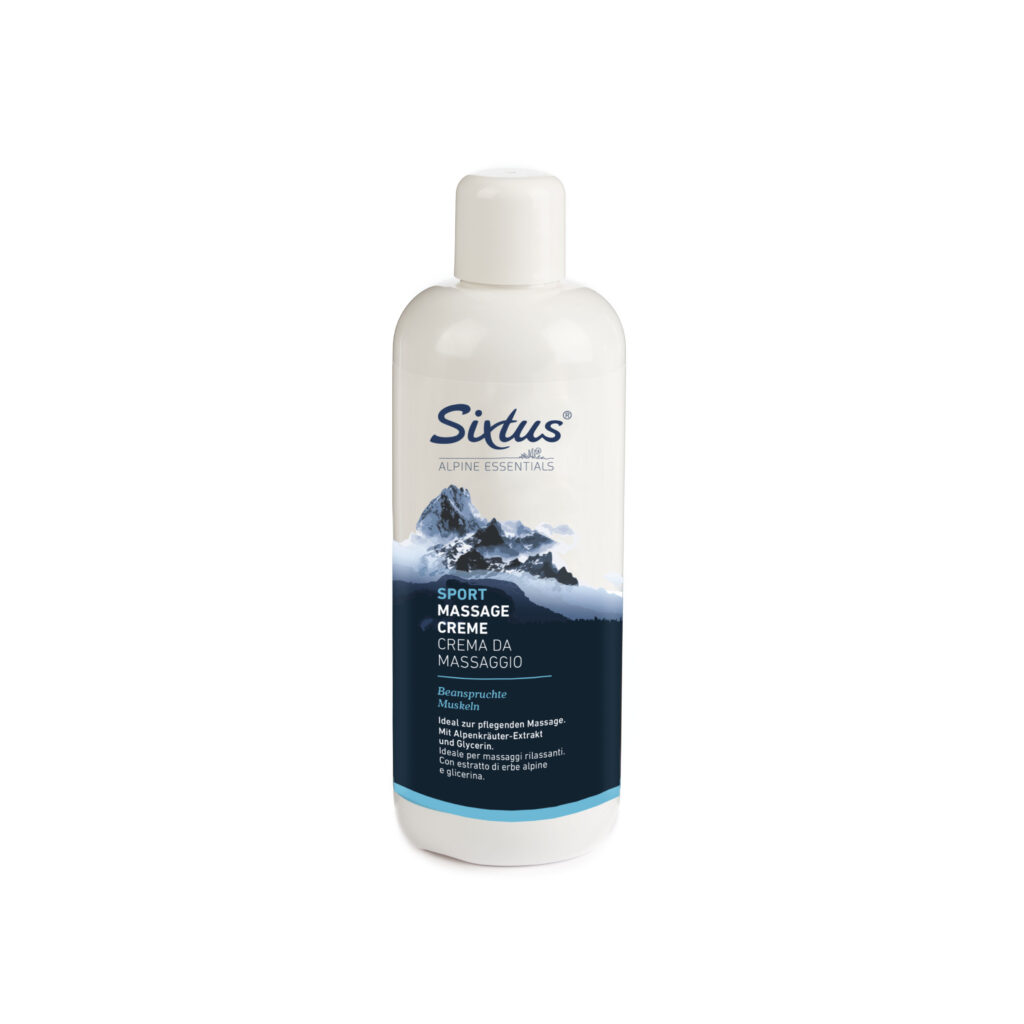
    It is essential to arrive well-prepared for the initial challenge when the body is not yet warmed up, and the external cold pervades and envelops everything. Before starting, it is advisable to pay attention to clothing: for running in the cold in winter, technical clothing is recommended to control body temperature and sweat. Layering is another useful way to make the most of the winter running experience: this way, the garments will fit snugly against the skin, retaining the warmth of body temperature. Before starting the cold run, it is advisable to dedicate some time to warm-up to reduce the chances of injuries, especially at the muscular level: fifteen minutes of stretching for legs, arms, and back are not wasted time, especially if seen as an integral part of outdoor training, useful for warming up the muscles that will be challenged not only by running but also by the cold. Bringing the body already in motion will increase heart rate, as well as blood pumping in the veins, and this will be useful in feeling the body more active and resistant. The use of toning creams for pre-activity warming massage is excellent for preparing the muscle for outdoor sports, while ready-to-use supplements are convenient to carry and take when you need extra support. Finally, once the outdoor training is finished, it is crucial not to underestimate stretching in a sheltered place, reducing the risk of muscle tears and strains. Changing promptly as soon as the run is finished prevents sweat from remaining on the body and increases the risk of illnesses caused by the wet layer on the body: therefore, a warm shower and suitable, dry clothing are recommended as soon as the run is over.
    You might also be interested in

    News and Curiosity

    Massage therapy: what it is and how it differs from physiotherapy

    What is massage therapy? Massage therapy, also known as massotherapy or deep-tissue massage, is a therapeutic discipline that uses the manipulation of the body’s soft tissues for preventive, curative, and relaxing purposes through manual techniques. Its main goal is to promote physical and mental well-being, reduce muscle tension, and improve blood circulation. The key difference between […] read more
    News and Curiosity

    Worsening after shock wave therapy: what is it due to?

    Extracorporeal shock wave therapy (ESWT) is a technique developed in the 1970s for the treatment of urinary stones in urology (lithotripsy). In the 1990s, shock wave therapy was introduced in Germany into orthopedics and physiotherapy and, thanks to technological advances, an increasing number of musculoskeletal disorders can now benefit from this treatment. read more
    toenail mycosis
    News and Curiosity

    Toenail Fungus (Mycosis): How to Treat It and Effective Remedies

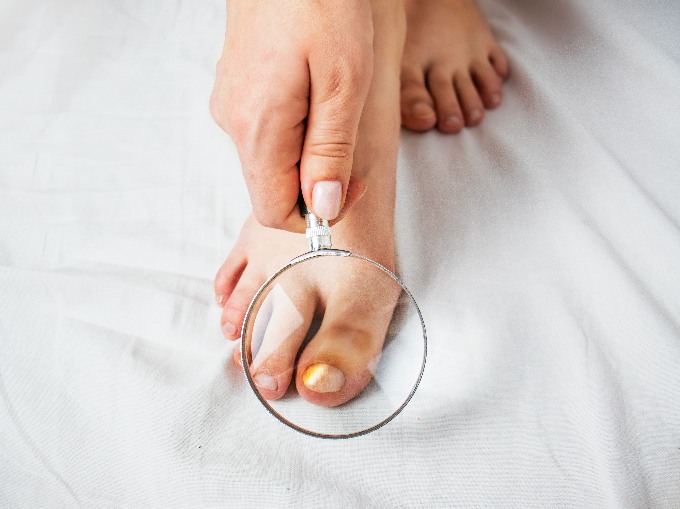
    Toenail fungus (onychomycosis) is a very common condition that affects thousands of people every year, especially athletes, gym-goers, and those who wear closed shoes for many hours a day. To truly cure it, you need a proper medical diagnosis, consistent treatment, and patience; however, by following the right approach, it is possible to eliminate the […] read more